


Lacto-Fermentation (Salt Fermentation)
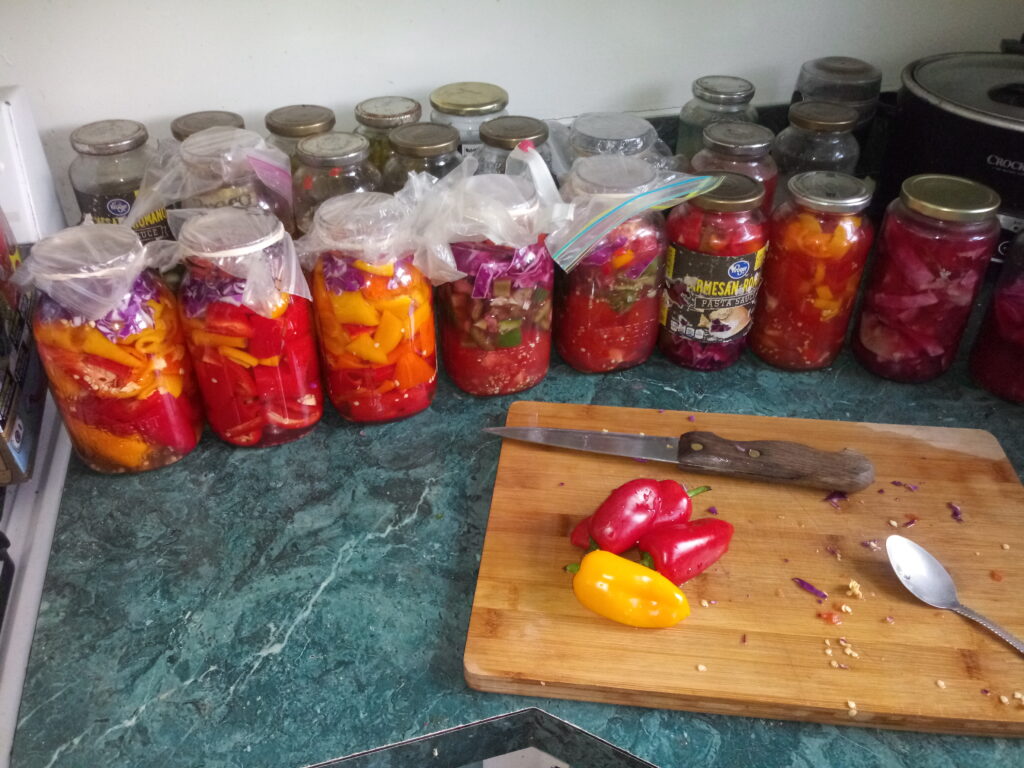
Lacto-fermentation is the manner that produces traditional dill pickles, kimchi, and actual sauerkraut, among different fermented delights. This easy fermentation method calls for nothing greater than salt, greens, and water—no canning, no fancy gadget. Lacto-fermentation basics
the lacto-fermentation process works due to the fortunate reality that bacteria that might be dangerous to us can’t tolerate much salt, even as healthy micro organism (assume yogurt) can. 1 think of them as the awful guys vs. The coolest guys. Lacto-fermentation wipes out the awful men in its first stage, then lets the good men get to work all through degree . Featured video
how to make smashed pickles
lacto-fermentation chemistry
the best guys at the salt-tolerant group are known as lactobacillus. Numerous exceptional species within this genus are used to provide fermented ingredients. Lactobacillus bacteria convert sugars evidently present in fruit or veggies into lactic acid. Lactic acid is a natural preservative that enables combat terrible bacteria and preserves no longer most effective the flavor and texture of meals but also its nutrients. Lacto-fermentation system
conventional lacto-fermentation involves submerging veggies in a brine answer— salt and water. There are also techniques of fermenting without delivered salt. The salt-brine technique involves two degrees:
in level certainly one of lacto-fermentation, veggies are submerged in a brine that is salty sufficient to kill off dangerous micro organism. The lactobacillus true men continue to exist this stage and begin level two. In degree of lacto-fermentation, the lactobacillus organisms begin converting lactose and different sugars gift in the meals into lactic acid. This creates an acidic environment that adequately preserves the vegetables – and gives lacto-fermented ingredients their exclusive tangy flavor. Fermented, now not canned
at the same time as lacto-fermentation is a common and traditional form of pickling and preserving greens, it is not the identical element as canning and isn’t always used for lengthy-term upkeep. Many fermented foods are suitable for eating for 2 months or greater, and their flavors develop and grow to be greater acidic over time. Generally, you begin ingesting a fermented meals once it has reached the favored degree of fermentation and you finish it earlier than the give up of its “shelf existence,” for the duration of which era the flavors will mature and alternate. By means of evaluation, canning entails a few shape of sterilization and is supposed to hold food in its canned kingdom for lengthy intervals, regularly for 6 months to a 12 months or more. Famous fermented meals
in standard, firm vegetables, which includes beets and turnips, are nice for lacto-fermentation. Softer greens, like tomatoes and cucumbers, can be greater tough. Broccoli, brussels sprouts and other “gassy” foods give off a robust odor when fermented, so it’s first-class to mix them with different vegetables in your recipe. A number of the most not unusual ingredients used for lacto-fermentation consist of:
cabbage
carrots
radishes
garlic
cucumbers
turnips
snap peasAbout The Author
